Cold adjustments how ground behaves. Wetness ices up and broadens, unfrozen levels drain pipes in different ways, and equipment experiences if you handle January like June. I have actually mounted helical piles, resistance stacks, as well as micropiles all over winters from the Midwest to New England, and the projects that went properly had a single thing in common: the staff recognized the period. Effective organizing and a handful of hard-earned procedures maintain productivity stable and also examination information trusted. They additionally shield spending plans, schedules, and also reputations.
This overview pays attention to commercial helical pile installation in cold ailments, with practical crossover for micropile installation, commercial resistance pile installation, and commercial helical tieback anchor installation. You will certainly discover information that matter on actual websites: twist in icy shells, cement temperature levels, torque-to-capacity in stratified winter season soils, predrilling selections, and QA/QC modifications. The very same reasoning applies whether you are carrying out a ground-up commercial foundation stabilization, a structural foundation repair on an existing structure, or even a deep foundation repair under a delicate slab.
What wintertime does to dirts and also data
The to begin with catch is thinking the geotechnical course you relied on in September still uses in January. The dirt profile page has actually not changed, yet the condition of the profile page possesses. Freeze influences the best layer, often a few inches, occasionally 2 to 4 feets in a tough winter season. That frozen crusting can easily cover-up truth disorders listed below. You might see higher setup twist at the start, at that point a sudden decrease once you pass through into thawed or even partly frosted ground. If you are actually making use of twist relationship for capability on helical piles, that mismatch can bring about insolence just before embedment, or even false alarms after.
I like to split the heap right into regions in my industry details throughout cold weather. Region one is the frost-affected coating, where torque increases unfairly and also manufacturing reduces as drivers fight surface area resistance. Zone pair of is actually the transition location, often damp and weaker considering that meltwater has actually sat on above the permafrost lense. Region 3 is actually the design-bearing level. I prepare requirements along with the GC and also assessor that the torque file are going to present a synthetic peak at the top as well as a trough prior to the true boost towards style deepness. That simple talk spares a lot of director scratching.
Frozen stuffing acts differently than frosted indigenous dirt. Well-maintained sands and also crushed rocks stiffen and also attack in the cold, causing higher installment torque and also more vibration. Silty fills may appear strong while icy, after that soften unpredictably when any kind of more advanced thaw begins. When I assess wintertime information, I look for regular twist patterns at deepness rather than the complete worths near the surface. I also depend even more on bunch testing when there is actually any doubt.
Planning the work when temperature levels drop
Planning starts with temperature level bands. I damage wintertime into three selections for groundwork work.
- Light freeze, 25 to 32 F. Anticipate a crust in the morning that softens through mid-day. Manufacturing may dash near regular along with reasonable home heating as well as de-icing. Deep freeze, 10 to 25 F. Frost infiltrates quickly, hose pipes tense, and also hydraulic systems require interest. Think about predrilling through the frost and also speeding up the piling sequence. Severe cold weather, below 10 F. Every little thing slows down. Diesel gels, teams get worn down, as well as quality control becomes harder. If you should work, simplify the daily extent as well as include redundancy to heating units and de-icing supplies.
That tiered technique aids make a decision whether to mobilize added devices. A little turning hammer for aviator openings with the icy crusting buys time every early morning and also guards coil trips from excessive abrasion. A skid-mounted hydrovac or even heavy steam lance may cut slim slots to the unfrozen layer around stack aspects and tieback locations. Each methods center disturbance, which is very important near adjacent structures or utilities.
For commercial helical pile installation under a brand new property pad, I attempt to maintain the pattern tough. Strip snowfall, mark out, predrill or even vapor down to listed below frost, and also install piles in that opening up while it is actually practical. If you leave open dirts as well as leave all of them overnight, the cold will certainly secure them up once again. On existing constructs where we are performing commercial foundation stabilization or even structural foundation repair, I maintain diggings as little as functional and backfill as our company go. Left open footing sides perform certainly not just like freeze-thaw cycles.
Equipment sets up that endure winter
Hydraulic rigs will definitely keep functioning if you little one the fluids. Cold thickens hydraulic oil as well as decreases electric motor productivity, which may misshape torque analyses. Cozy the electrical power pack to manufacturer suggestions just before you start stacking. On subzero mornings, I maintain still pressure up for 10 to 15 moments and also pattern the device. That creates twist extra steady around the first handful of heaps. Calibrate torque tracking devices a minimum of as soon as per winter initiative, as well as spot-check with a well-known endorsement if readings look high throughout the initial icy bite.
Helix tour edges dull a lot faster when reducing icy granular material. Carry spare flights as well as consider hardfacing if you count on lengthy extents in icy sands. For resistance pile and also micro pile job, bits as well as casings take a beating from ice-rich coatings along with inclusions. Keep a supply of sacrificial footwear and also think about slower penetration fees in the leading few feet.
We gear windbreaks around cement pumps for micropiles and also helical tiebacks. Cement is actually picky. If it cools, thickness rises and hemorrhaging rises. Insulated quilts over cement totes, in-line heating systems for water, and a small heated enclosure for the pump always keep mix temps within specification. If requirements require cement in between fifty and 80 F, verify and also document it twice every batch in wintertime. For tieback anchors, cooled grout can easily also delay collection, which affects verification testing schedules.
Fuel as well as sky supply need winterization. Make use of winter-grade diesel, handle for solutioning, as well as drain wetness coming from sky lines. Frosted condensation in a downhole hammer will certainly wreck your early morning. Tubes that relocate with the pole needs to be sleeved to stop cracking, as well as simple links should be actually inspected daily. Small things, however small things are what wreck a cold-weather shift.
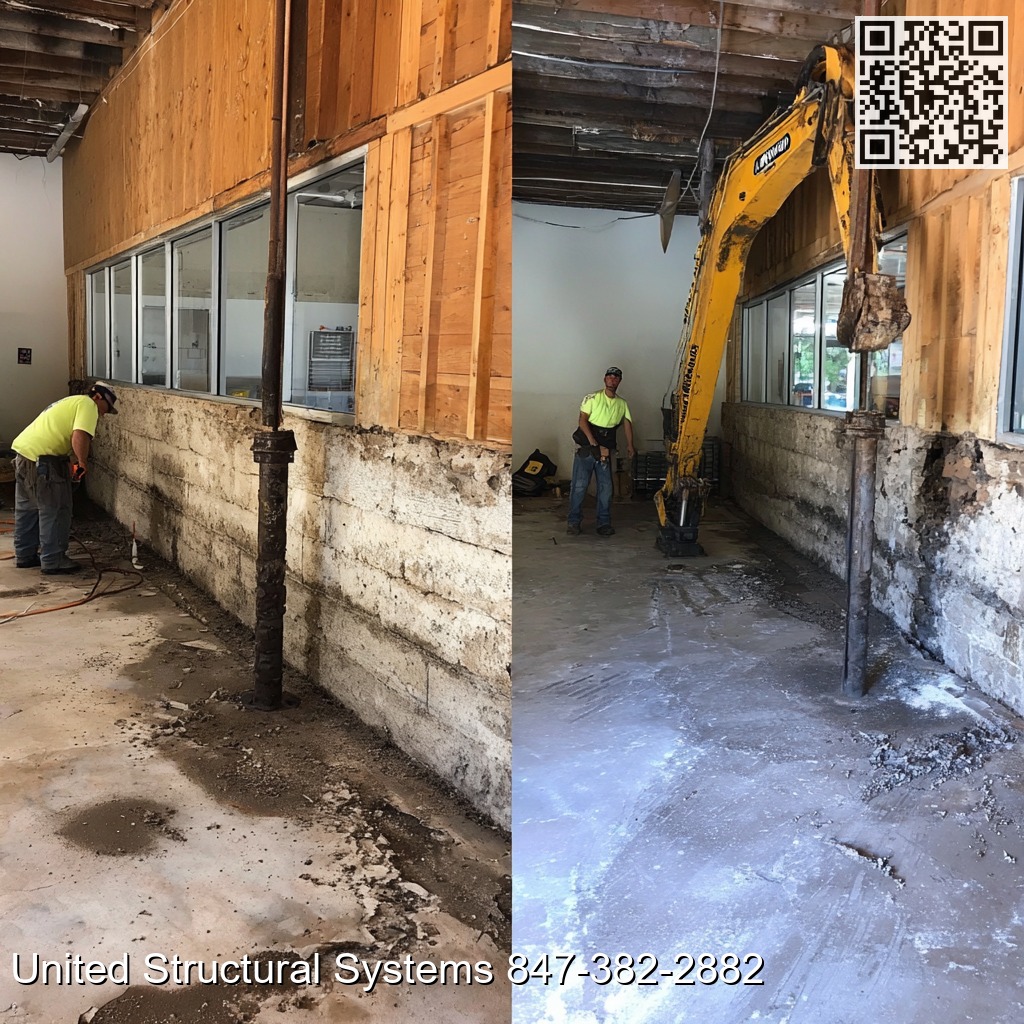
Adjusting installation strategies in frozen ground
A helical pile earns its own ability coming from coil bearing in skilled strata as well as, to a much smaller level, arrow abrasion. Frosted shells add a frictional covering that does not matter long-term. I target to permeate the freeze quickly and precisely, at that point slow down as well as see twist in the style layers. If you chase after torque in the crust, you shed time and also use air travels for data that does certainly not spend the bills.
Pilot holes with the frost are actually certainly not the enemy. A 2 to 3 inch captain to a handful of ins below the icy area carries out not lower capacity at layout intensity. In fact, it gives a more unquestionable torque-to-capacity connection considering that it removes the misleading higher on top. For commercial helical tieback anchor installation by means of a freeze wall surface or even frosted backfill, predrilling a fly spares the tieback fiber from knife-like ice lenses that can easily harm skin or even galvanizing.
Rotation rate issues in cool. I favor lower revoltions per minute for much better soil interaction in the bearing coating, but are going to boost revoltions per minute slightly in the frozen hat to reduce chatter and keep the stack vertical. Operators must anticipate a short loss of twist when the lead helix bursts out of the crust into warmer ground, at that point a gradual rise. If you view a 2nd unanticipated twist spike at mid-depth in wintertime, carry out certainly not presume it is actually a stone. Check for refrozen perched water lenses. They really feel identical yet break suddenly the moment heated through friction. If manufacturing stalls at that lens, you can stop and vapor a small alleviation opening adjacent to the stack pipe to relieve the ice bond.
For commercial resistance pile installation, driving through a frozen crusting typically raises strike matters that settle back to typical listed below. If you tape refusal at the crusting for an established amount of impacts per in, you jeopardize underdriving the stack. Always keep the acceptance criteria keyed to the designated bearing coating, certainly not the area. I have actually utilized lightweight predrilling for protection heaps also, purely by means of the frost. It is actually certainly not dishonesty. It is removing noise.
Micropiles need to have exclusive treatment at the connect area. The steel holds tons to the bond duration, and also winter months intends to take that bond with set apart grout or ice-lubricated annuli. Warm and comfortable solitary confinement prior to grouting if groundwater is near cold. Spread warm and comfortable water prior to the tremie. Aim for grout temps near the top end of the spec pouch, after that shield the collar. If you are actually pressure grouting, account for chillier pipe wall surfaces and also pump abrasion. Your scale may present aim at pressure, yet chilly, dense cement can cause a noticeable pressure growth that carries out certainly not translate to circulate. Confirm true intake by observing yields and set mass balance, certainly not only pressure.
QA/ QC that appreciates winter season realities
Quality management in the cold weather is actually component persistence, component willpower. On helical piles, torque logs need to have comments that explain the frost region and also the procedure used to survive it. If you predrilled, document size as well as depth. Examiners cherish trustworthiness greater than artistic curves. On commercial helical pile installation I also like to perform at the very least one confirmation lots examination early in a winter stage, if possible on a stack with representative torque at style intensity. It anchors the twist relationship and reassures when the top-of-hole problems are misleading.
On the examination edge, cool improvements hydraulics and also machinery. Bunch cells and also determines read great in the cool, but hoses between all of them can get stiff, which adds friction and also hysteresis. I establish the test frame in the hottest aspect of the time when achievable, shield the setup with tarps, and also keep assesses inside a heated container with view home windows. For tieback anchors, proof and also functionality testing may take much longer as cement remedies gradually. If the spec makes it possible for, schedule screening 48 hours beyond common or verify dice breaks prior to screening. No one intends to describe a false failure considering that grout was at 35 F overnight.
Concrete and also brickwork adjacent to your job possess their personal winter season limitations. If your deep foundation repair rests under a slab that is going to be gathered winter season, coordinate remedying times and also heating units. Foundation crack repair in winter needs dry out, hot substratum to connect epoxies adequately. The series matters: coating stacks or tieback anchors, at that point hot and also dry out, at that point gap shot, at that point floor pour. The GC will certainly say thanks to you.
Safety as well as staff monitoring when it is brutal cold
Crew performance loses when conditions are actually miserable, and also the job becomes harmful when palms go numbed. I set up a warm and comfortable trailer near the job face as well as press shorter rotations: 40 minutes on, twenty moments off in severe cold weather. Operators need effective handwear covers that still allow feel on the controls. Night function in wintertime intensifies fatigue. If the job requires it, flooding the work area along with illumination, and give a clear road coming from trailers to rigs to stay clear of slips on dark ice. De-ice sidewalks at the start and halfway with the shift.
Heat resources need air flow. Diesel-powered heaters placed under a tarpaulin for grout or even pump security ought to possess a specialized fresh-air void. Carbon monoxide builds up where you least assume it, and displays are actually low-priced. Maintain fire extinguishers near heaters and energy, as well Click for more info as store acetylene and also oxygen where they will certainly not ice up regulators strong. I have actually found even more delays from a helical pile foundations frosted regulator than every other single resource in winter.
Case work: 3 common wintertime scenarios
A retail pad over deep-seated stuffing. The soils were actually soft sand with a high water dining table. The freeze went 18 ins deep during a January cold snap. Our experts had 150 helical piles on a tight routine. The solution was actually to predrill a 3 in pilot via the freeze for each and every site along with a sunny gear at sunrise, at that point follow along with the primary travel head. Twist logs revealed a well-maintained switch into uniform sands below 6 feets, and also the way setup torque at design deepness matched the summer season examination plan. Manufacturing attacked twenty to 25 stacks every day with a three-person crew since our experts stopped dealing with the crust as well as focused on real embedment.
An existing storage facility along with slab settlement near dock doors, arranged for structural foundation repair along with protection heaps. The frozen crusting overstated strike tallies near the piece side. Our team established a policy: overlook refusal within the first foot if it accompanied the freeze level, and also keep driving to reach the intended bearing stratum. Where blow adds up kept higher past that deepness, our team backed off and used a small auger to ease the crusting prior to resuming. Recognition logs annotated the predrill depths, and the developer approved the strategy after an internet site trial. The repaired drops anchor saw uniform airlift during mounting since the heaps were actually settled properly, not awaiting the crust.
Micropiles for a health center development under winter months protection. Specifications needed orderly grout over fifty F. Our company built a little hot outdoor tents around the pump and also mixer, heated water to 90 F, and stored cement inside through the night. Grout emerged right into 36 F ground, so we bled a small quantity up until discharge maintained at 60 F, then committed to the tremie. Circulation meters as well as batch mass balance validated actual intake, certainly not only pressure. Connection tests handed down the initial shot in spite of the cold, and also supports for the surrounding business helical tieback setup were actually sequenced with identical grout controls.
Special problems for helical tieback anchors in frozen backfill
Tiebacks frequently go property perimeters where backfill is annoyed and also holds water. In wintertime, that area may freeze hard. Boring creates it even worse if you smear frosted greats along solitary confinement wall, which hinders grout bond. I choose to bore with low water and maintain the bore clean with sky where made it possible for, at that point heat the hole with a short heavy steam lance if ice series. For long-term helical tieback anchors, priming could be damaged through frozen introductions near the skin. Reduce the begin, defend the threads, and also avoid levering the extension versus a frozen wall.
Testing tiebacks demands crystal clear requirements and also persistence. Evidence loads will certainly move much less in the beginning in the cold since the body is stiffened, after that may slip a little much more as the support warms toward stability. Monitor displacement meticulously and carry out certainly not rush to discharge. If the specification supplies a creep standard over 10 minutes, I require 15 in the cold. For temporary tiebacks ashore, correlative de-icing around the waler so ice performs certainly not convert to incorrect variation readings.
Dealing with powers and also surface drainage
Winter subjects every negative drain selection. Reduction snow near power generator wears down creates a small river that is going to refreeze around your job zone by lunch time. Prior to setting in motion, reduce superficial swales to direct meltwater far from gears, electric cables, and pile heads. Always keep power situates current. Frosted ground draws crews to pry with pubs and also picks, which is actually precisely just how fiber product lines obtain cut. For tieback anchors, thermal tightening can easily create energy standoffs feel tighter than they are actually. Action offsets two times as well as keep conservative.
If you neighbor live heavy steam lines, sodium storing, or de-icing functions, make up chemical substance effects. Chlorides may speed up oxidation on arid steel accessories or damage epoxy finishes made use of in foundation crack repair. Retail store consumables indoors and preserve very clear covers on any sort of exposed ligament scalps or couplers.
When to hold off and when to drive through
Some times you press, others you position it. I set 3 move or even no-go triggers beyond raw temperature.
- Wind plus temperature that pushes wind coldness listed below damaging 10 F for greater than 2 hours. Equipment is one point, hands are another. Heavy freezing rainfall. The gear becomes a skating ring, as well as electrical hazards multiply. Insufficient heating system for cement or even hydraulic units. If you can easily certainly not maintain cement temperature level within specification or even can easily not deliver the pump up to constant pressure, you are actually wasting time and also welcoming rework.
On the other side, bright cool times with mild wind can be effective if the planning is precarious. Focus on piles that perform certainly not need rich excavation or even considerable hand work. If you must dig deep into, use protected quilts to maintain the trench wall surfaces coming from polishing over, and backfill quickly to prevent leaving a freeze-prone void around the brand new pile cap.
Integration with more comprehensive structure work
Cold-weather loading seldom stands alone. It connects in to commercial foundation repair scopes that include groundwork, foundation crack repair, as well as piece replacement. Helical piles under existing footings require stable bearing at deepness as well as a practical load transmission detail on top. In the cold, grout-filled heap caps remedy slower, so our company add warmth quilts as well as temperature sensors to verify they arrive at appropriate strength prior to mounting or packing. Where micropiles tie right into a quality beam, protect the formwork and also deal with warm so differential curing performs certainly not crack the shaft at reentrant corners.
Communication along with the architectural developer matters. If you modify installment procedures with predrilling via frost or even heating grout, document it. If torque-to-capacity elements were cultivated from summer screening, take into consideration functioning a winter months proof examination to verify that style beliefs still hold in the industry. On bigger commercial helical pile installation programs, I have used a pair of propitiatory examination stacks to brace manufacturing: one mounted in a location with marginal freeze, one put up in a frost-heavy section, both tons checked to verify capability about torque. The information let everybody breathe much easier and also always kept the inspector pleasant with approving twist worths that appeared unusual near the top.
Practical list for site leads
- Confirm freeze intensity daily at numerous points. Record as well as share with the team so they recognize what the best is going to believe that and also when to expect twist changes. Stage heat energy: one collection for people, one for cement and also hydraulics. Handle them as distinct units with distinct electrical power and also fuel. Calibrate or verify torque and pressure apparatus after the initial deeper freeze. Regular if analyses wander or if devices sits unoccupied for greater than a week. Decide on predrilling strategy prior to the day begins. Gear up and workers for it so you perform certainly not improvisate under pressure. Close the loop along with the inspector. Commentate logs, flag frost results, and recommend sensible acceptance requirements concentrated on design-bearing layers.
Final industry notes
Cold is certainly not a reason for poor data or even weak functionality. It only changes the inputs. A well-run winter season initiative on helical piles, resistance stacks, micropiles, or tieback anchors looks purposeful. The workers arrives with a think about frost, the tools starts hot, the logs make sense, and also cement temperature levels keep in array. You still raise quelled grounds precisely, still provide commercial foundation stabilization that passes scrutiny, and still maintain the timetable from wandering when the thermometer dips. The work asks for patience and also regard for physics, absolutely nothing even more exotic than that.
If you approach winter season installment keeping that mindset, the time can be consistent as well as foreseeable. Consumers see when you carry out not flinch at the projection. Thus perform your staffs. And your piles will inform the story months later on when the snowfall is actually gone as well as the building loads birth the technique they were actually made to.
 Ask ChatGPT
 Ask Grok
 Ask Perplexity
 Ask Claude
 Ask Google AI
 Ask You